
Faith in the Fire: Lindy Chamberlain-Creighton's Story
When the World Watched and Judged—But God Remained
Most people don't live quite as publicly as Lindy Chamberlain-Creighton has had to. In 1980, at Uluru, her nine-week-old daughter Azaria died—and the world decided Lindy was guilty. She spent years in prison for a crime she never committed. The trial, the conviction, the media circus—it's all documented in books, films, and endless news cycles. But there's one part of her story that rarely makes it into the headlines: what was happening in her faith while the world fell apart.
This is the story of a woman who discovered that you can't get through hard things without faith—and that sometimes, faith isn't about having all the answers. It's about holding on when everything else is stripped away.
The Foundation: Growing Up in Faith
Lindy grew up in a Christian home where faith wasn't abstract theology—it was lived, practiced, and woven into everyday life. She learned early that faith isn't something you turn on when crisis hits. It's something you build, day by day, through small acts of trust and obedience.
"People think of faith as some airy fairy thing out there," Lindy explains. "And when something big happens, then I'll have faith. But we use faith every day."
She illustrates this beautifully with the simple act of flipping a light switch. You don't need to understand the intricacies of electricity to trust that when you turn the switch, light will come. You trust based on past experience and repetition. The same is true with God. Faith isn't intellectual assent to a set of doctrines—it's trust built through relationship and experience.
"When you're a kid, you get faith in your parents by watching what they do and by repetition," Lindy says. "A kid around doesn't like jumping off something and saying 'catch me, daddy.' And no matter what he's doing or where his attention is, dad seems to manage to catch him."
This foundation—this deep, relational understanding of faith—would become her anchor when everything else was taken from her.
The Unthinkable: When Faith Gets Tested
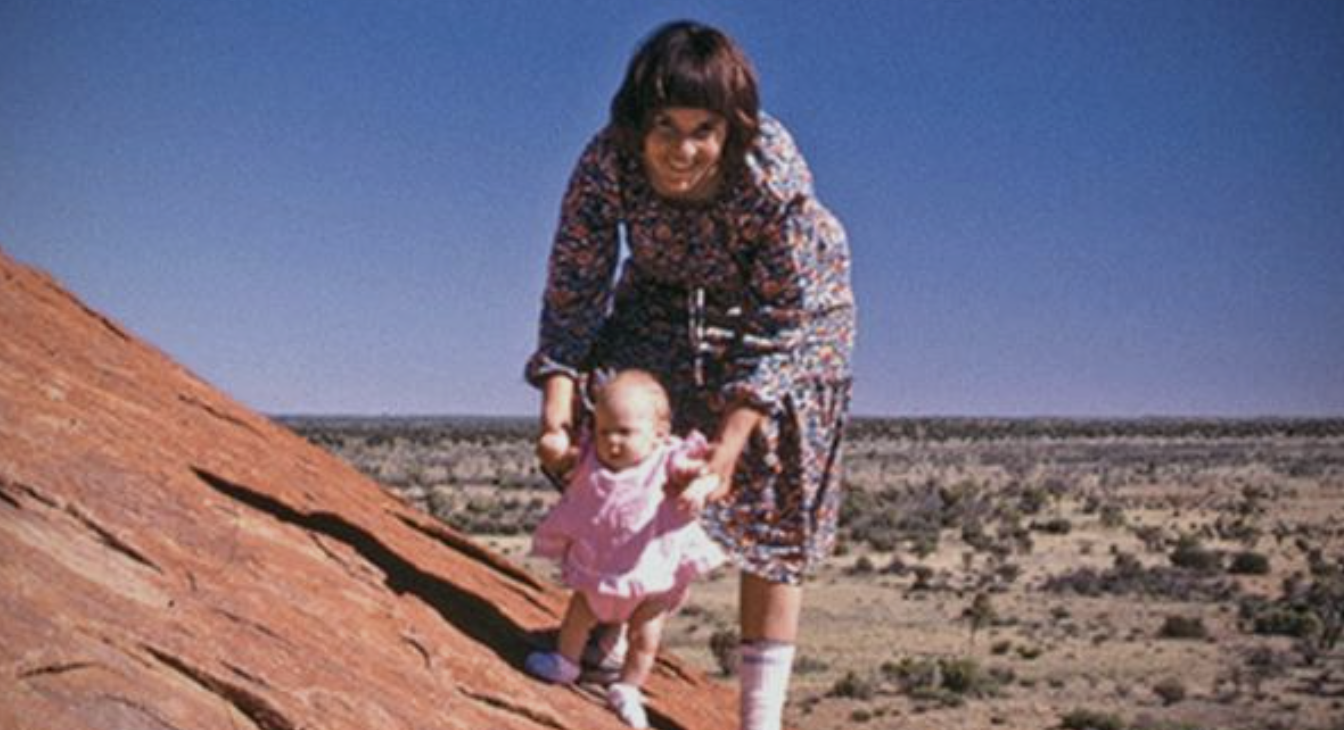
On August 17, 1980, Lindy and her family were camping at Uluru (Ayers Rock) when her nine-week-old daughter Azaria died. Lindy claimed a dingo took her baby. The world didn't believe her. The media turned her into a villain. The legal system failed her. She was convicted and imprisoned for a crime she didn't commit.
For years, Lindy lived in a nightmare that most of us can barely imagine. Not only was she grieving the loss of her daughter, but she was also fighting against a system that had already decided she was guilty. The public watched. The media judged. And somewhere in the middle of all that noise and pain, Lindy had to figure out how to hold onto faith when faith seemed like the cruelest joke.
Hope in the Mess: Faith When Everything Else Fails
Here's what's remarkable about Lindy's story: she didn't lose her faith. She deepened it.
When asked how she could possibly believe in God given what she'd been through, Lindy turns the question back: "How could you possibly believe that we came from some mud puddle? I don't have enough faith for that."
This isn't flippant. It's profound. Lindy recognised something that many of us miss: everyone has faith in something. The question isn't whether you have faith—it's what you're placing your faith in. And when you're standing in the rubble of your life, you get to choose what you trust.
Lindy chose to trust God. Not because it made sense. Not because it fixed everything. But because she had learned, through years of small acts of trust, that God was faithful. And when the big test came, she didn't have to learn faith from scratch—she already knew how to trust.
"You can't get through hard things without faith," Lindy says simply. "I really don't have the faith to believe in some of the things people believe in. But I have faith in God."
The Spiritual Dimension: Why This Story Matters
What makes Lindy's story so powerful—and so rare in the media—is that it's fundamentally a story about faith. Not about the crime. Not about the trial. Not about the legal system that failed her. But about what happens to your relationship with God when the world falls apart.
For years, journalists and reporters asked Lindy about the details of what happened. They asked about the dingo. They asked about the trial. They asked about the media circus. But almost no one asked her about her faith. Almost no one wanted to know: How did you survive this spiritually? How did you keep believing?
"In the end, she'll look at it and go, maybe one of the reasons I ended up going through this is because nobody gets through to reporters," Lindy reflects. "They're a pretty beaten bunch. They get to see all the yuck of life. And so they're very skeptical."
But Lindy knows something that the skeptics don't: faith isn't about having a perfect life. It's about having a relationship with God that can sustain you through the imperfect, messy, devastating parts of life.
The Lesson: Faith Isn't Perfection—It's Persistence
One of the most striking things about Lindy is her ordinariness. She's a grandmother. She paints. She does mending (though she promised herself she'd never mend again after prison). She watches TV. She has coffee with friends. She lives a normal life.
But she's also lived through something most of us will never experience. And she came out the other side with her faith intact—not because she's superhuman, but because she had built a foundation of trust that could hold her weight when everything else gave way.
"I think there's a hunger for it," Dave Quak reflects during their conversation, "because you've actually lived a life that hasn't been perfect. And you've kicked on in your faith. And I think that's what people need to hear in these days that are a bit tumultuous. Like, okay, can I have faith and get through hard things?"
The answer, according to Lindy's life, is yes. Not because faith makes hard things easy. Not because faith prevents suffering. But because faith gives you something to hold onto when suffering comes—and it always comes.
What This Means for You
If you're walking through something hard right now—if your world feels like it's collapsing, if the injustice of your situation feels unbearable, if you're questioning whether God is even real—Lindy's story offers something rare: proof that faith can survive anything.
Not faith that everything will work out perfectly. Not faith that you won't suffer. But faith that God is faithful. Faith that you can trust Him even when you don't understand what's happening. Faith that, like a child jumping off a ledge, you can trust that He will catch you.
"Most people don't live quite as publicly as I've had to," Lindy says. But in sharing her story—in particular, the spiritual dimension of her story—she's offering something invaluable to those of us who are struggling: the assurance that faith in the fire is possible. That hope in the mess is real. And that God doesn't abandon us in our darkest moments.
Listen to the Full Conversation
Lindy Chamberlain-Creighton's full story—including her reflections on faith, doubt, resilience, and what it means to trust God when the world is watching—is available on the Sunburnt Souls podcast.
Listen on Spotify | Listen on Apple Podcasts | Listen on YouTube
About Lindy Chamberlain-Creighton
Lindy Chamberlain-Creighton is an Australian woman who was wrongly convicted of her daughter's death in 1980 and spent years in prison before being exonerated. Her story has been documented in books, films, and media worldwide. Today, she speaks about faith, resilience, and what it means to trust God through injustice. She lives in Australia with her husband, Rick Creighton, and is a grandmother.
Key Takeaways
•Faith is built through repetition and relationship, not just intellectual assent. Like trusting a parent to catch you, faith in God grows through experience.
•Everyone has faith in something. The question isn't whether you have faith—it's what you're placing your faith in.
•Faith doesn't prevent suffering. But it gives you something to hold onto when suffering comes.
•The spiritual dimension of our stories matters. How we relate to God through our trials is just as important as the trials themselves.
•Hope in the mess is possible. Even when the world judges you, even when the system fails you, even when everything is stripped away, faith can remain.
Reflection Questions
As you sit with Lindy's story, consider:
1.What foundation of faith have you built in your everyday life? What small acts of trust have you practiced that might sustain you through bigger trials?
2.What are you placing your faith in right now? Is it something that can hold your weight when things get hard?
3.How has suffering deepened your faith rather than destroyed it? What have you learned about God through difficulty?
4.Who in your life needs to hear that faith in the fire is possible? How can you share Lindy's story with them?
More Stories Like This
Sunburnt Souls is a Christian mental health podcast dedicated to exploring faith, mental health, and what it means to follow Jesus in a broken world. We believe that hope in the mess is real—and that your faith and your mental health both matter.
Explore more stories of faith, resilience, and hope on the Sunburnt Souls Stories page.